
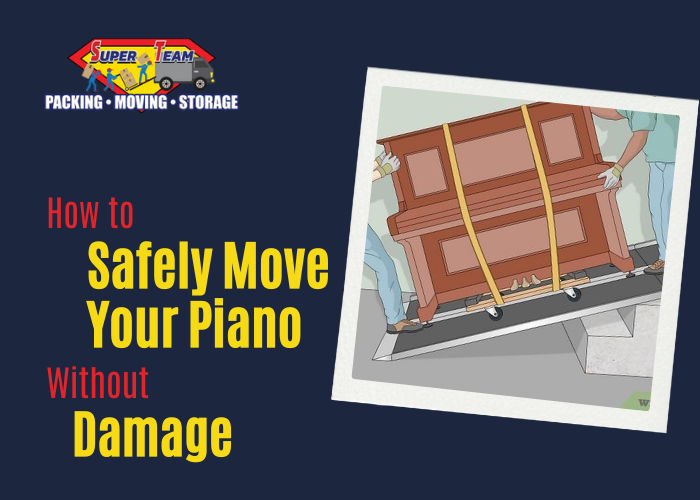
Moving a piano is no small job. It is not your regular piece of furniture, nor is it an instrument that you can carry on your shoulder. It is actually one of the heaviest and most delicate items you will ever move. One wrong step can lead to seriously injuring you and the piano. You are probably here because you plan to move that instrument sometime soon. Don’t worry, we have put together this guide with just the right piano moving tips for you! Hopefully, you will be able to protect both your piano and your home.
Why You Need Proper Piano Moving Tips
Many people underestimate how tricky it is to move a piano. They think, “It’s just heavy. Let’s push it carefully.” But a piano is more than heavy. It is fragile and full of tiny parts that can break easily. The instrument can tip over, damage the floor, crack its wood frame, or even harm someone trying to lift it. There is no exaggeration in saying that! Upright pianos are tall and top-heavy. Grand pianos have awkward shapes. Both require smart handling and equipment.
Let’s Move That Piano
You cannot wake up one morning and expect to move that piano out of nowhere. Preparing ahead of time is the key to a safe move.
Follow along as we discuss the moving process in detail:
Measure Everything
First things first! Grab a tape measure. Measure the following things:
- Your piano
- The doorways
- The hallways
- The path you plan to take
Why is this important?
It lets you decide if you need to remove doors or clear furniture to make enough space. Knowing your measurements also helps you plan exactly how you will lift or angle the piano.
Tools and Equipment Checklist
You can’t move a piano with just your hands. You need the right gear. Using proper tools is one of the most important piano moving tips because it keeps your piano steady. Trust us, they will prevent bumps or scratches during the move.
Keep reading to know what tools you need:
| A piano dolly or moving board | Moving straps | Blankets and padding |
| Bubble Wrap | Heavy-duty tape | Furniture sliders for tight spaces |
Protect the Piano with Padding
Proper padding is one of those piano moving tips that makes a huge difference. Before moving the piano, cover it with thick moving blankets. Tape the blankets so they don’t slip off. Padding protects the wood and keys from scratches and sudden impact.
For upright pianos → Wrap the front, back and sides.
For grand pianos → Remove the legs first. Then wrap the body and lid.
Lift the Right Way (And Never Lift Alone)
Never try to move a piano by yourself! Even small pianos weigh hundreds of pounds. Quick movements can cause the piano to roll out of control. Slow and steady wins every time.
Here are some expert piano moving tips:
- You need at least three or four people.
- Bend your knees when lifting. Not your back!
- Keep the piano upright at all times.
- Lean it slightly back onto the dolly and strap it down. Move very slowly.
Take Your Time
Doorways are usually the hardest spots to get through. Use a spotter (someone watching closely from the front or back) to guide you. Move inch by inch if needed. This is where those earlier measurements come in handy. Getting through tight corners is much easier when you know the space you are working with.
Load the Piano Into a Truck
You should now make sure the loading ramp is secure. Push the piano up the ramp slowly, keeping it strapped tightly to the dolly.
Inside the truck:
- Place the piano against a wall
- Strap it so it cannot move
- Keep it on its side only if it is a grand piano and properly supported
Let the Piano Rest
Set the piano in its new spot at your new home. Now, let it rest for a few days. The temperature and humidity will affect the internal parts. Schedule a tuning only once it settles. This is one of the most overlooked piano moving tips. Moving a piano can shift its sound, so a post-move tuning helps bring it back to perfection.
To Conclude
The secret to moving a piano safely is preparation and patience. In order to avoid damage and ensure the instrument stays in great shape, you have to follow the right piano moving tips. Like measuring your space, using proper tools, protecting the piano with padding, and moving slowly. It is not that scary. Hopefully, your piano will be ready to play beautiful music in your new home.
FAQ
Does moving a piano damage it?
Improper moving can easily damage a piano’s internal mechanisms, cabinet, or finish.
Is it okay to lay a piano on its side to move?
It is safe to lay an upright piano on its flat side only. However, you should never lay a grand piano on its side or back.
How heavy is an upright piano in kg?
Most standard upright pianos weigh between 136 kg and 360 kg. A full concert or professional upright can weigh more than 400 kg.
Can I roll my piano on its wheels?
You should never roll a piano across floors or over transitions. The small wheels can break or gouge your flooring. They are for decorative purposes only.
Where should you not put a piano in your house?
You should not place a piano near direct sunlight, external doors, or heating/AC vents, or against an exterior wall.